How Car Dealerships Can Use AI to Write Better Vehicle Listings
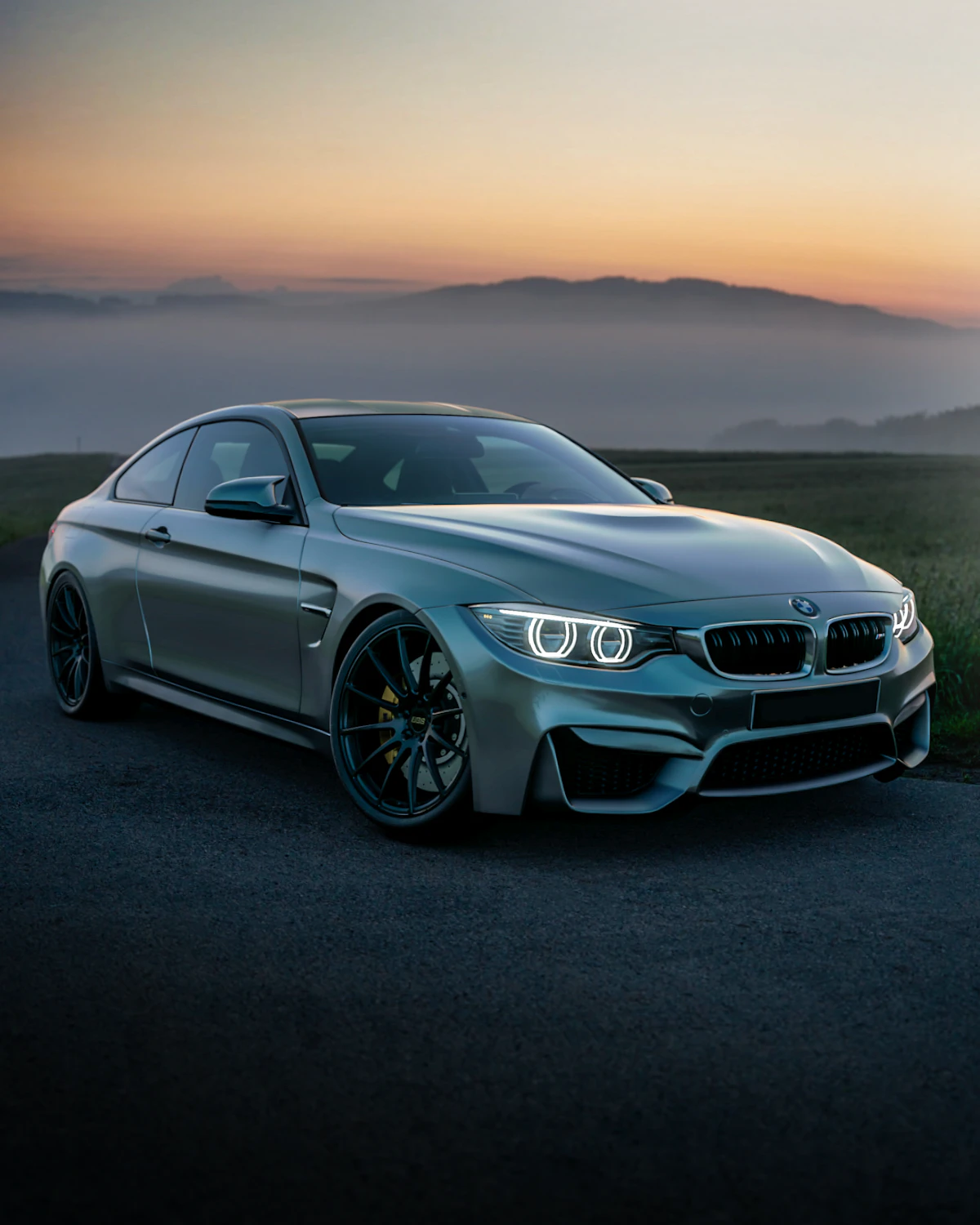
In the digital showroom of 2026, the vehicle description is where the sale begins. Long before a customer contacts your dealership, they are browsing your website, scanning listings on AutoTrader or CarGurus, and comparing options. Yet, if you look at the vehicle descriptions across most dealership websites, you will find a sea of repetition.
Most listings are either a dry bulleted list of standard manufacturer specifications (V6 engine, automatic transmission, power windows) or a generic block of text that says little more than "Clean car, must see, won't last!"
This copy-paste approach fails to engage the modern buyer. A vehicle description shouldn't just list parts; it should tell a story. It should help the buyer visualize driving the car, understanding how it fits their lifestyle, and why they should buy it from your dealership.
Fortunately, artificial intelligence has made it easier than ever to write unique, engaging, and benefit-driven listings at scale. By leveraging structured AI prompts, car dealerships can generate professional vehicle descriptions, high-converting landing pages, and customized microsites in seconds. Here is a practical guide on how your dealership can use AI to write better listings.
The Problem with Manual Listing Creation
Writing vehicle listings manually is a bottleneck for several reasons:
- Time-Consuming: A typical dealership might receive dozens of trade-ins and new arrivals weekly. Writing a unique, engaging description for every single VIN takes hours of valuable staff time.
- Lack of Emotional Hooks: Sales reps or inventory managers are busy. When forced to write descriptions, they default to copying the window sticker. They list the features (e.g., heated seats) rather than the benefits (e.g., staying warm on your freezing morning commute).
- No SEO Optimization: Most vehicle descriptions ignore local SEO keywords. If someone in your city is searching for a "family SUV with third-row seating under $30k," your description needs to naturally incorporate those terms to rank on search engines.
- Inconsistent Brand Voice: When different employees write listings, the tone of your inventory pages varies wildy. One listing might sound like a late-night TV commercial, while the next is cold and technical.
The AI Prompt Solution: Writing with Context
Standard AI chatbots (like ChatGPT, Claude, or Grok) are incredibly powerful, but their output is only as good as the prompt you give them. If you simply type, "Write a description for a 2023 Ford Explorer," you will get a generic, boring response.
To get listings that actually sell cars, you need to feed the AI context. A high-converting vehicle listing prompt should include:
- The Specific Vehicle Details: Make, model, year, trim, mileage, color, and unique options.
- The Target Audience: A sports sedan requires a different tone than a family minivan.
- The Brand Voice: Enthusiastic, professional, luxury-focused, or value-driven.
- A Call to Action (CTA): Encouraging them to schedule a test drive, request a trade-in value, or contact a product specialist.
The "Lifestyle-First" Listing Formula
Early adopting dealerships are moving away from listing specs first. Instead, they structure descriptions using the AIDA (Attention, Interest, Desire, Action) framework, focusing on how the car fits the buyer's life.
Here is a breakdown of the formula:
- The Hook (Attention): A bold opening line that calls out the vehicle's primary appeal.
- The Experience (Interest & Desire): Translating key features into real-world benefits.
- The Dealership Difference: Why they should buy from you (e.g., certified inspection, lifetime warranty, transparent pricing).
- The Call to Action (Action): A clear next step.
Practical AI Prompts for Dealerships
Let's look at how you can structure prompts to get different outputs.
Prompt 1: The Family-Focused SUV Listing
"Act as a professional automotive copywriter for a premier family car dealership. Write a vehicle description for a [Year/Make/Model/Trim] in [Color] with [Mileage] miles.
Key features to highlight: [Feature 1, e.g., Panoramic sunroof], [Feature 2, e.g., Third-row seating], and [Feature 3, e.g., Advanced driver safety package].
Tone: Trustworthy, family-friendly, and benefit-driven. Focus on safety, cargo space, and road-trip comfort.
Include a call to action to schedule a VIP family test drive."
Prompt 2: The Performance / Sports Car Listing
"Act as an automotive enthusiast copywriter. Write an exciting, high-energy vehicle description for a [Year/Make/Model/Trim] with a [Engine Type] and [Transmission Type].
Highlight: [Feature 1, e.g., Sport suspension], [Feature 2, e.g., Custom exhaust tone], and [Feature 3, e.g., Leather bucket seats].
Tone: Bold, passionate, and performance-oriented. Focus on handling, horsepower, and styling.
Call to action: Contact our performance specialists to experience this vehicle on the road."
Expanding Beyond Descriptions: Landing Pages & Microsites
AI prompts aren't just for VDPs (Vehicle Detail Pages). You can use them to generate content for entire marketing campaigns.
High-Converting Inventory Landing Pages
When running digital ads for a specific category (e.g., "Used Trucks in Denver"), you need a dedicated landing page. You can use AI to write the headline, sub-headline, value propositions, and FAQs for that page.
- Example Prompt: "Write the copy for a landing page targeting truck buyers looking for reliable used work trucks. Focus on durability, financing options, and our 100-point inspection process."
Dealership Microsites for Special Editions
If your dealership specializes in lifted trucks, custom Jeeps, or classic cars, a dedicated microsite can capture high-intent buyers. AI prompts can write the entire structure of the microsite, from the "About Our Builds" section to the customer testimonials.
To make this process seamless, marketing directors can access a curated website prompt library that provides ready-to-use frameworks for dealership pages, ensuring they don't have to build their marketing copy from scratch.
Customizing Prompts for Your Brand Voice
While templates are a great starting point, every dealership has a unique identity. A high-end luxury dealership in Beverly Hills uses different language than a volume-focused used car supermarket in Dallas.
To stand out, you should develop custom prompt systems that incorporate your unique selling points (USPs) and brand guidelines. By utilizing tools to build custom AI prompts, you can create proprietary formulas that your inventory team can use repeatedly. This ensures that whether a junior lot manager or a senior marketing director writes the description, the tone, length, and SEO structure remain perfectly aligned with your brand.
Best Practices for AI-Generated Listings
To get the best results from AI, keep these guidelines in mind:
- Always Proofread: AI is highly capable, but it can occasionally hallucinate features (e.g., claiming a car has a sunroof when it doesn't). Always verify key specs before publishing.
- Keep it Local: Instruct the AI to mention your city and neighborhood naturally. This helps search engine algorithms connect your listing to local searchers.
- Format for Readability: Online readers scan text. Instruct your AI to use bullet points, bold headers, and short paragraphs to make the listing easy to digest on mobile screens.
- Integrate with Your CRM: Once you find a prompt formula that works, save it in a shared document or integrate it directly into your inventory software so your team can copy-paste vehicle specs into the prompt window easily.
Conclusion: Elevate Your Digital Showroom
Your vehicle listings are your digital salespeople. By replacing generic manufacturer specs with unique, emotionally engaging, and benefit-driven descriptions written by AI, you can capture the attention of modern car buyers. Start experimenting with Contextual Prompts today, leverage prompt libraries to speed up your workflow, and turn your inventory page into a high-converting trust engine.